
CASIA2 User Experience
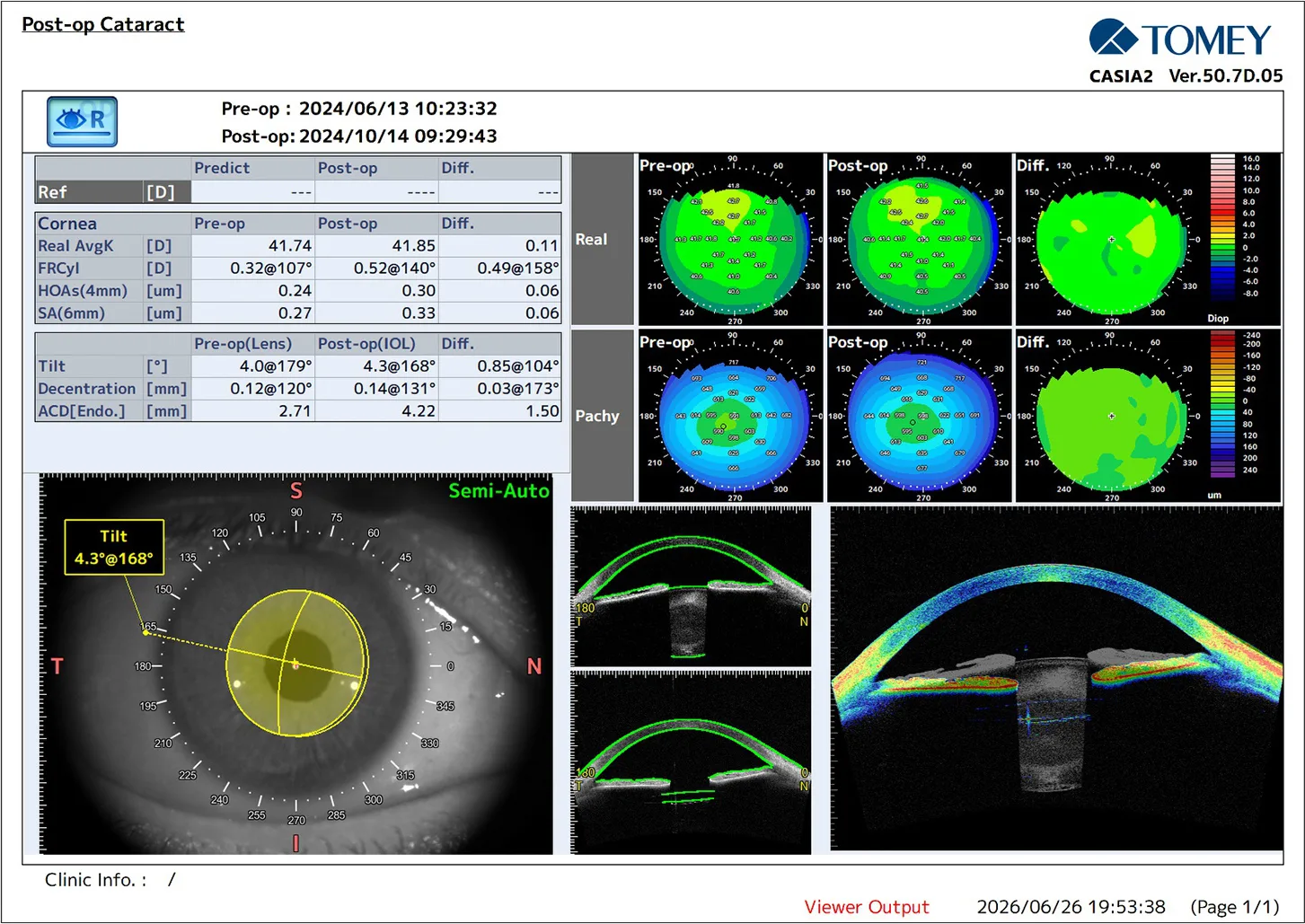
CASIA2 in Cataract Surgery: From Preoperative Planning to Postoperative Confirmation
This case illustrates how CASIA2 can contribute to a high-quality cataract surgery workflow, not only by supporting preoperative assessment and IOL planning.
Read more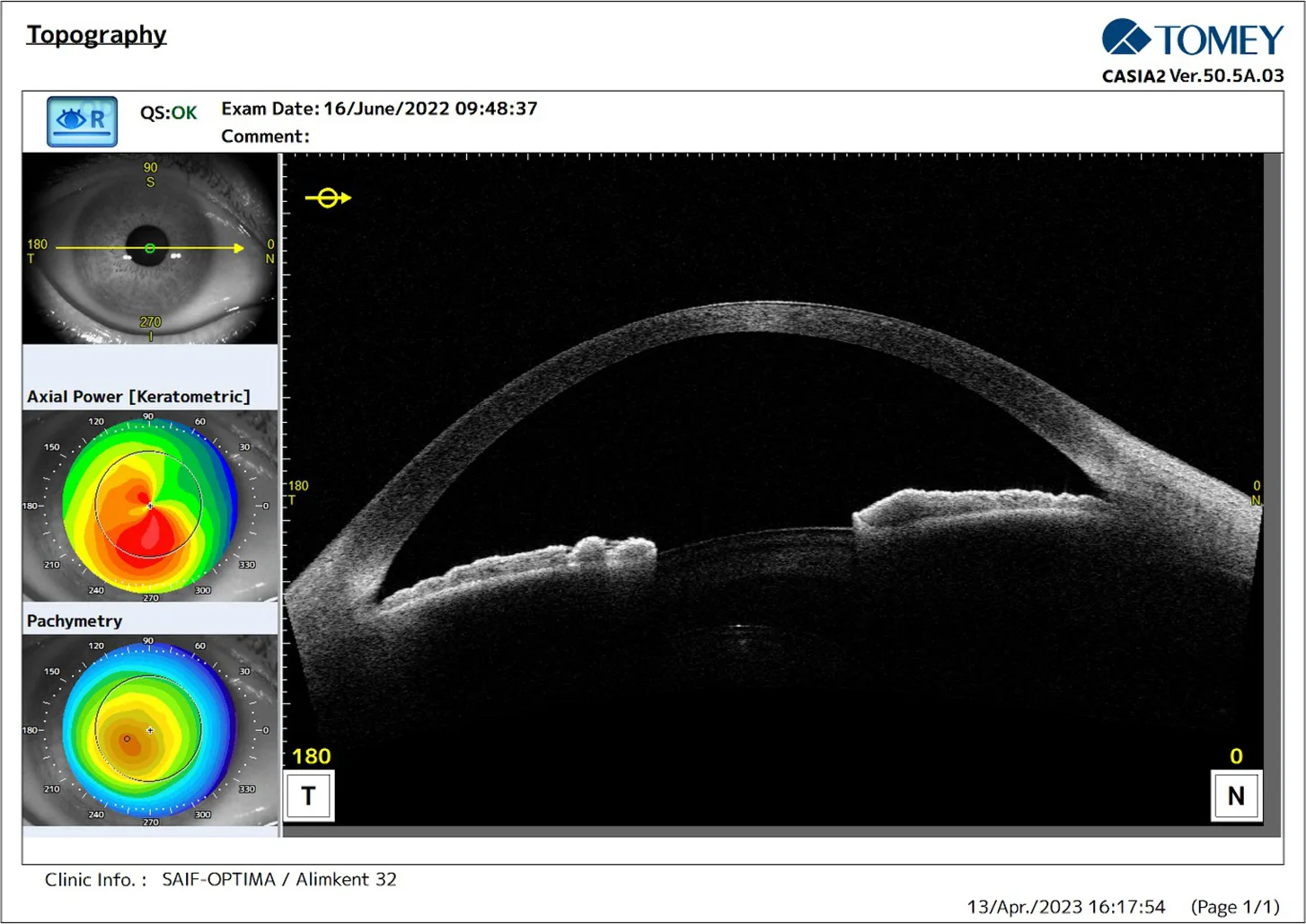
Post-ACXL Corneal Edema in Advanced Keratoconus
Following ACXL, the patient presented with visible stromal edema and Descemet’s membrane folds. CASIA2 tracked the healing process over nine months.
Read more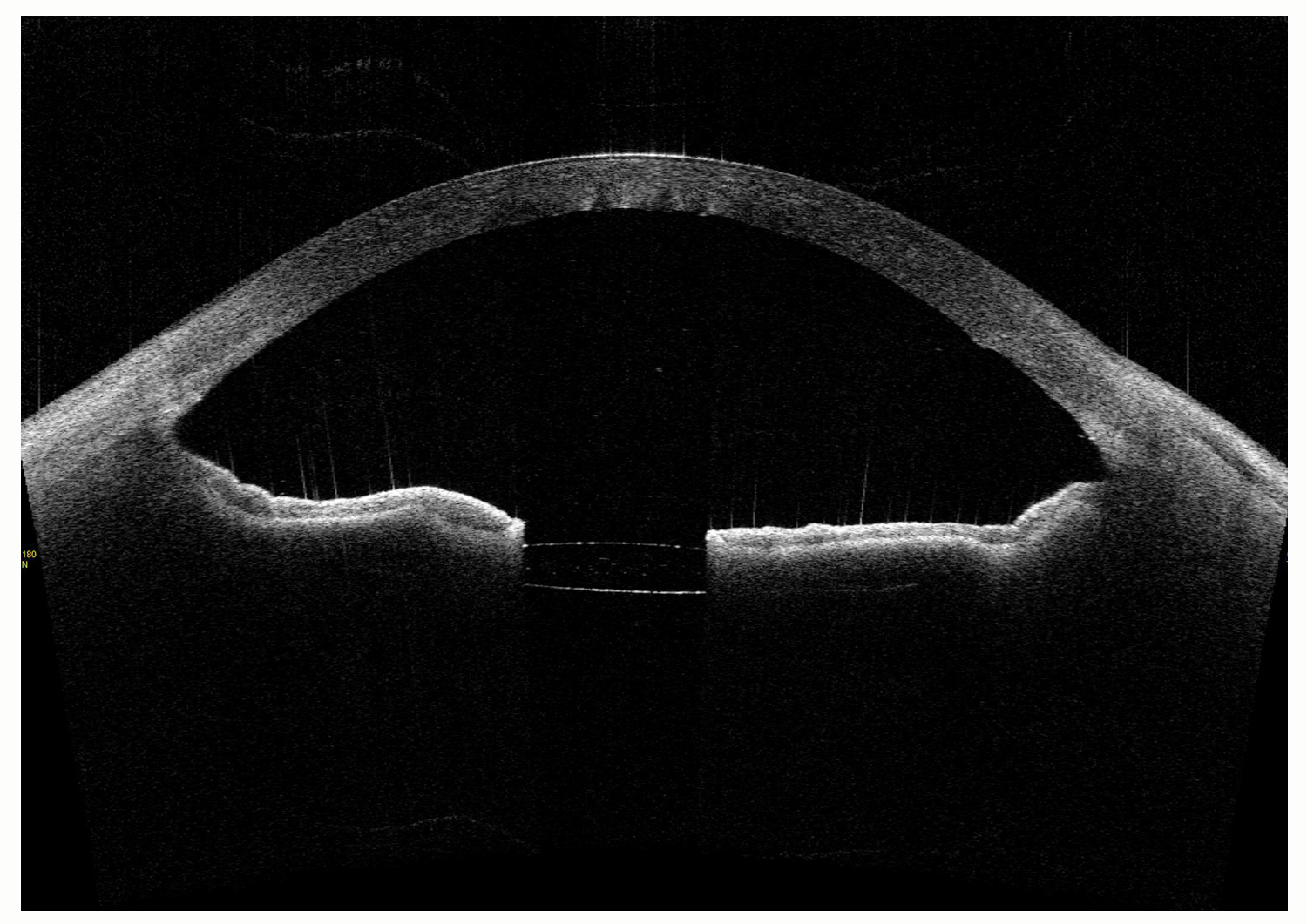
Postoperative Angle Closure After Pars-Plana Vitrectomy in Pseudophakic Eye
A complete angle closure developed on the second day after pars-plana vitrectomy. CASIA2 documented how conservative treatment resolved it.
Read more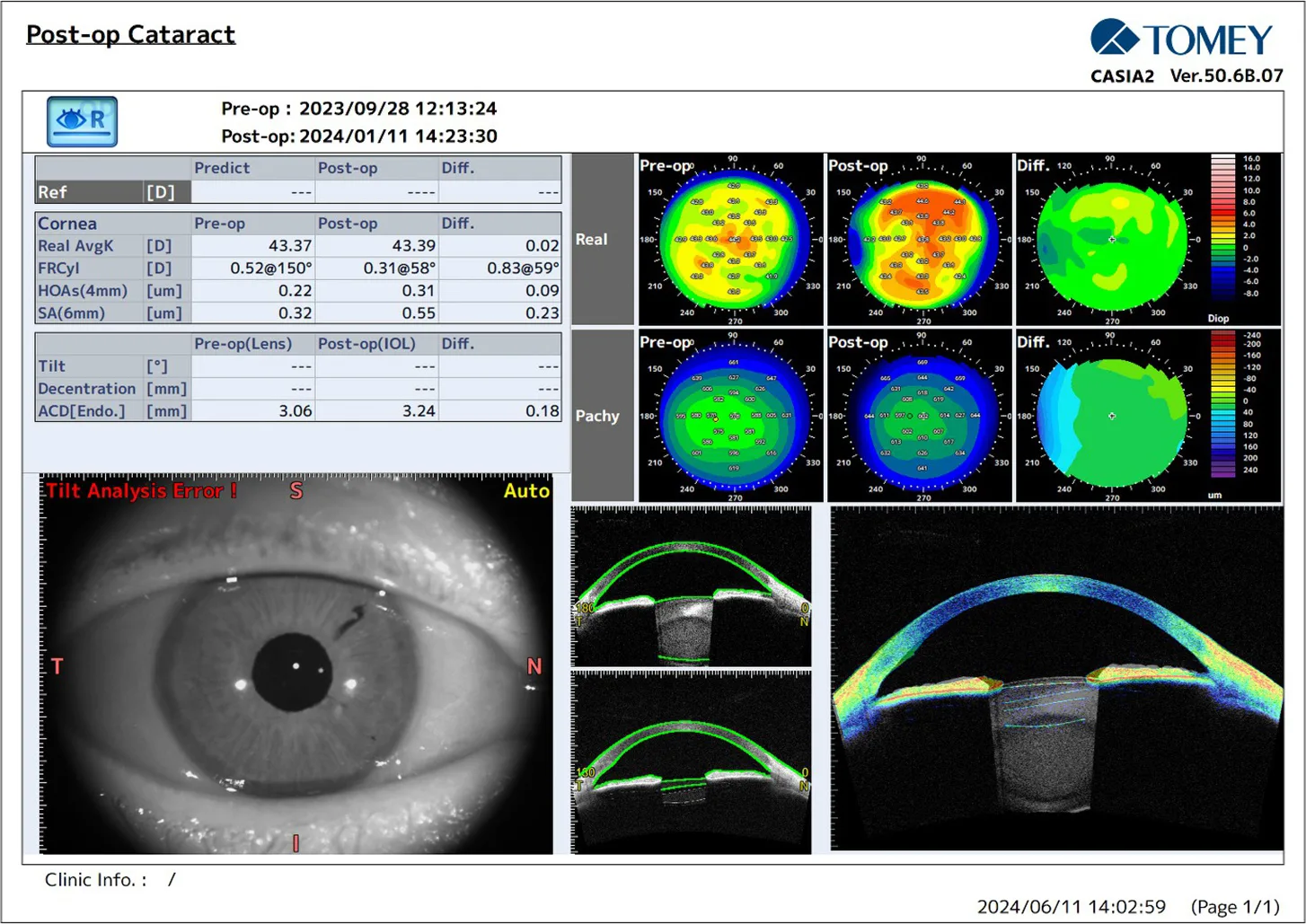
CASIA2 for Measuring the Ciliary Sulcus in Order to Determine the Size of an Accommodating Intraocular Lens
The Lumina accommodating lens is custom-made for each eye, so the ciliary sulcus has to be measured precisely. CASIA2 does it directly.
Read more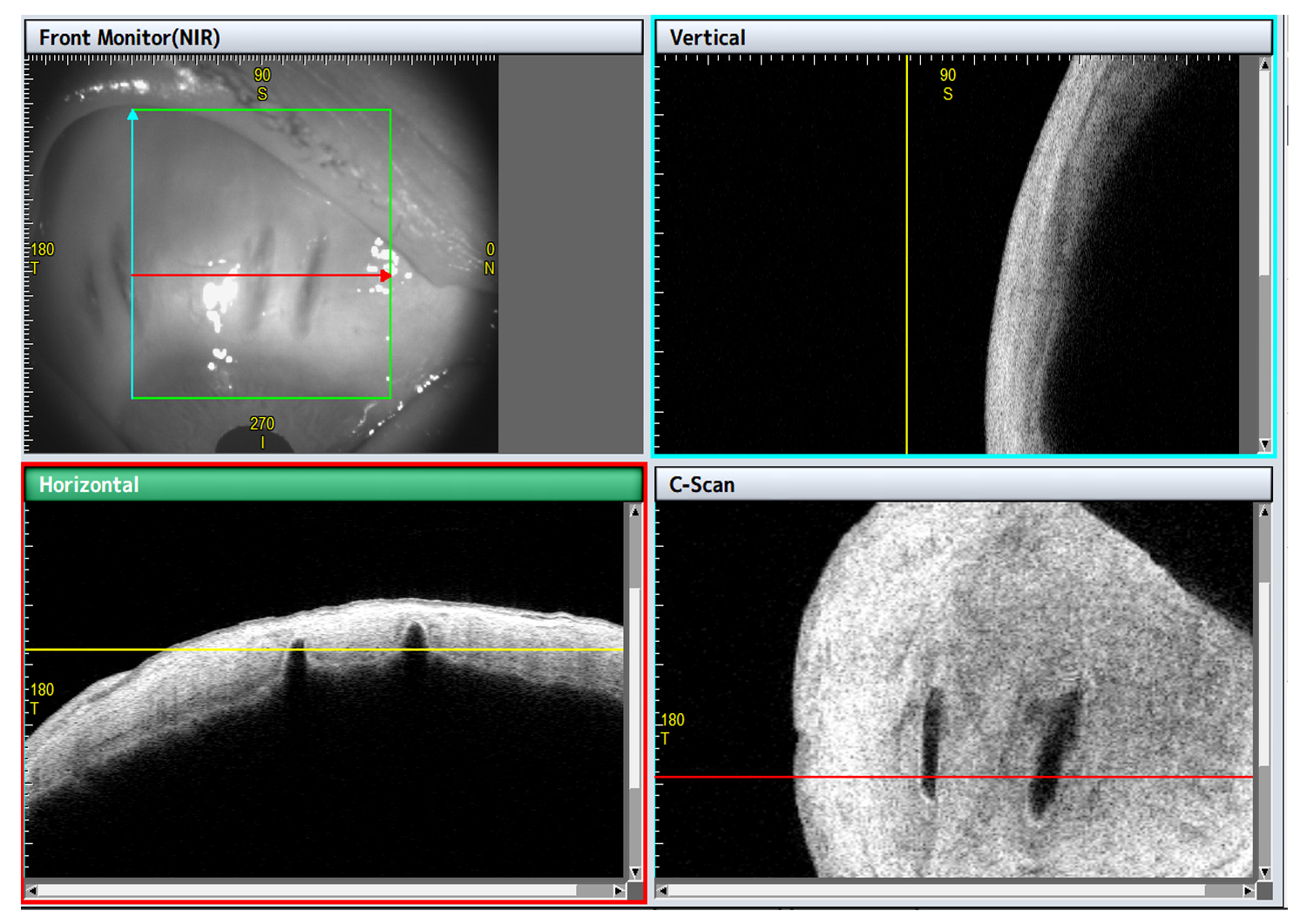
LAPR (Laser Presbyopia Reversal)
Erbium laser effects of radial cuts into the scleral tissue to reduce ocular biomechanics and rigidity to restore the accommodation in a presbyopic patient.
Read more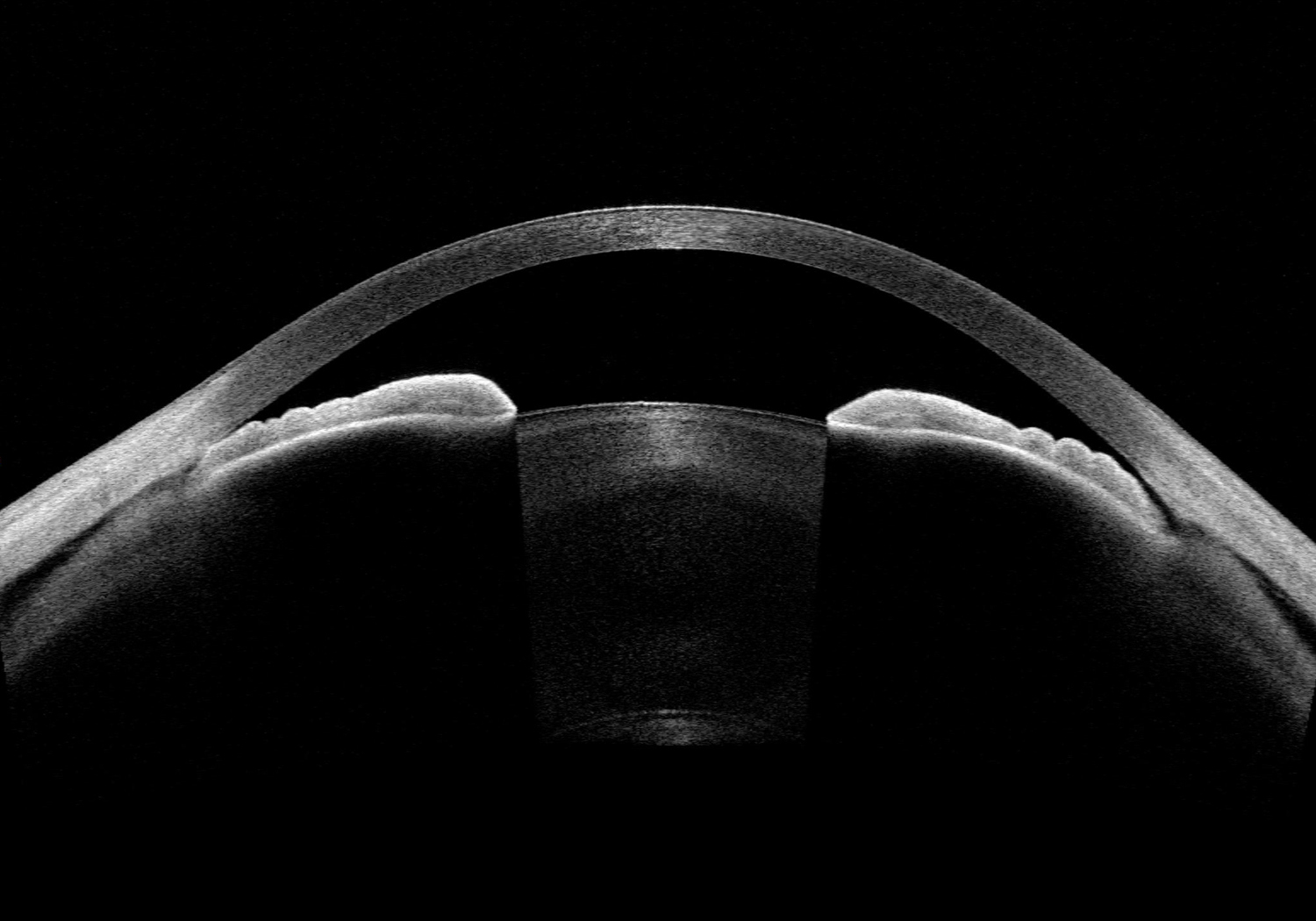
Vogt Koianagi Harada
Anterior segment manifestation of a Vogt Koianagi Harada uveitis. The early diagnosis was made thanks to the AS-OCT CASIA2 image.
Read more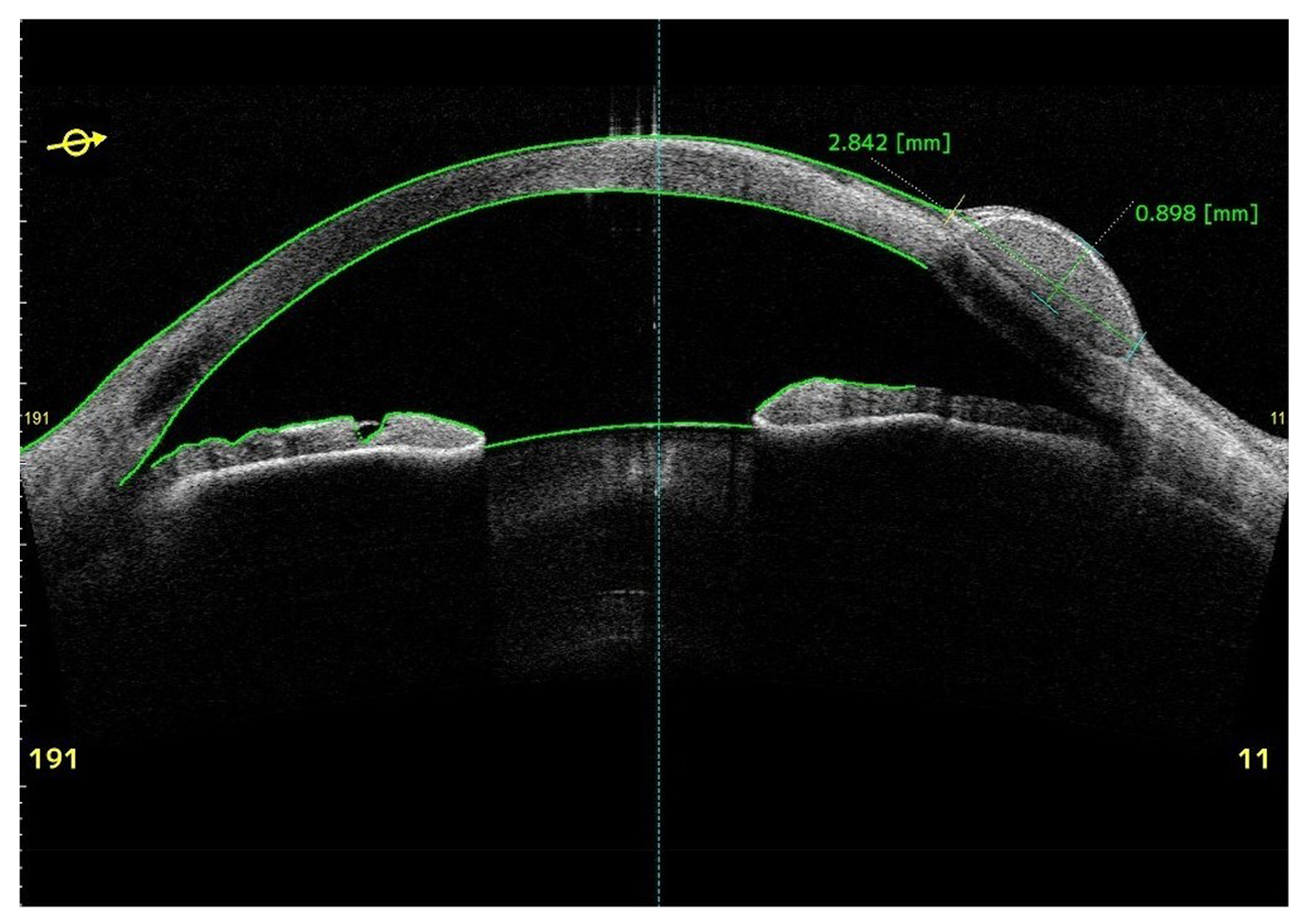
Cyst at the Limbus
In this case of stem cell deficiency, cysts occurred on both eyes at the area of the limbus. With the CASIA2 it was possible to observe corneal changes and measure the size and shape of the cysts from different angles.
Read more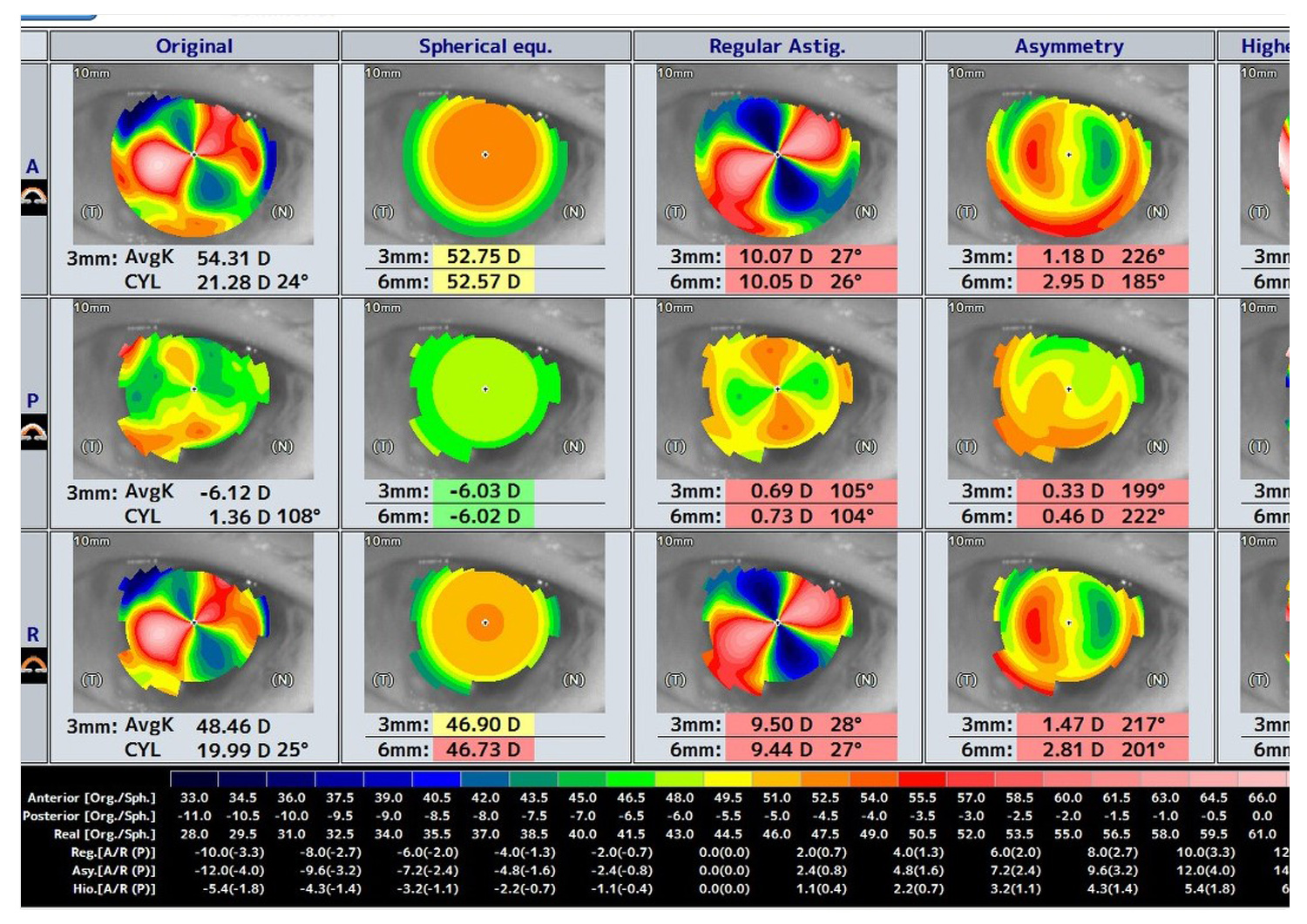
Repeatedly Operated Eye
Multiple surgeries were performed in the past including a traumatic cataract surgery without lens implantation in the 1950s, an anterior chamber IOL + removal, and several perforating keratoplasties due to severe herpetic infections.
Read more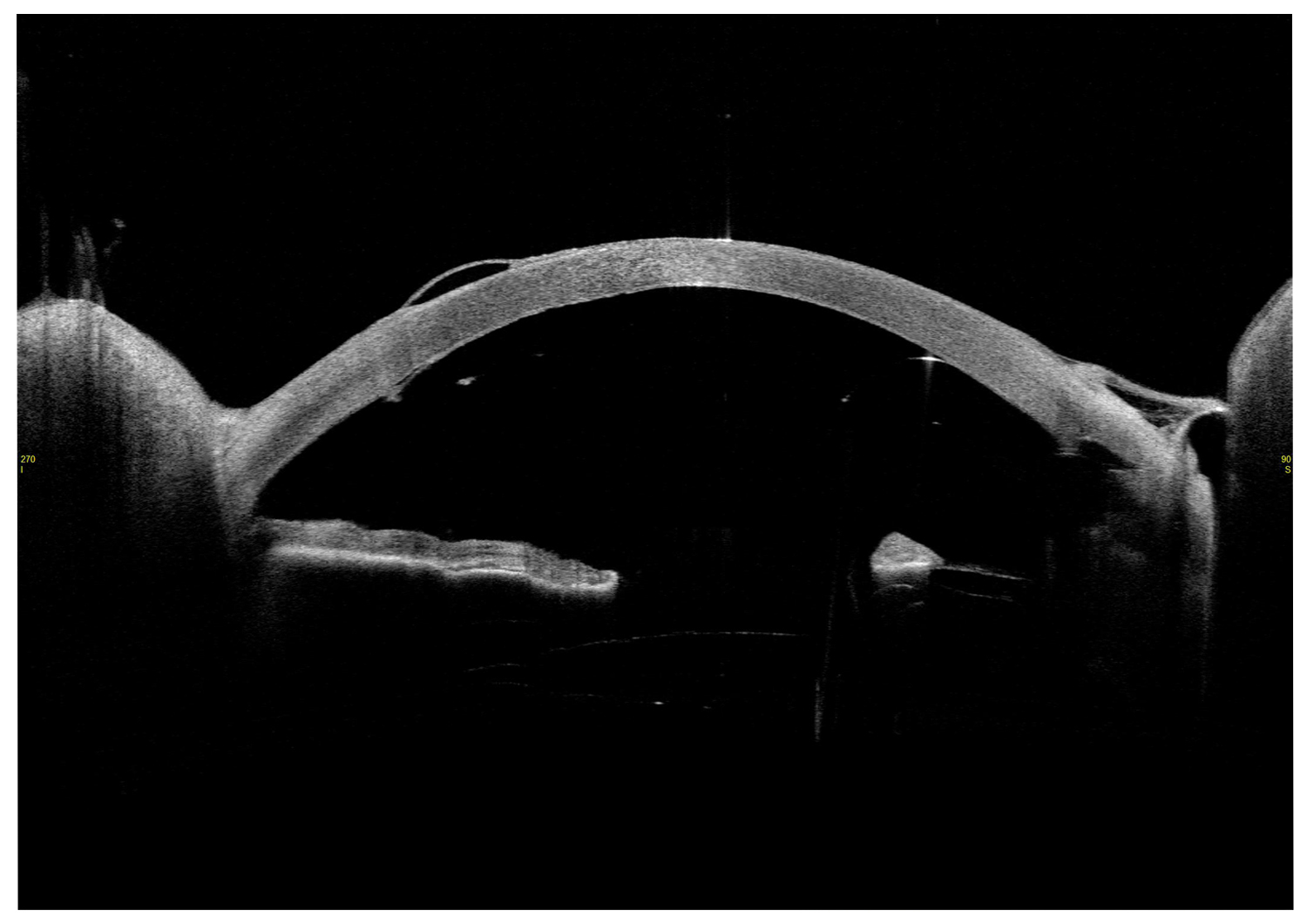
Descemet’s Membrane Detachment (Pre-Op and Post-Op)
Patient had complicated cataract surgery with a small Descemet’s membrane scroll intraoperatively. The patient was seen two days postoperatively and the cornea. The CASIA2 OCT demonstrated a clear Descemet’s membrane detachment.
Read more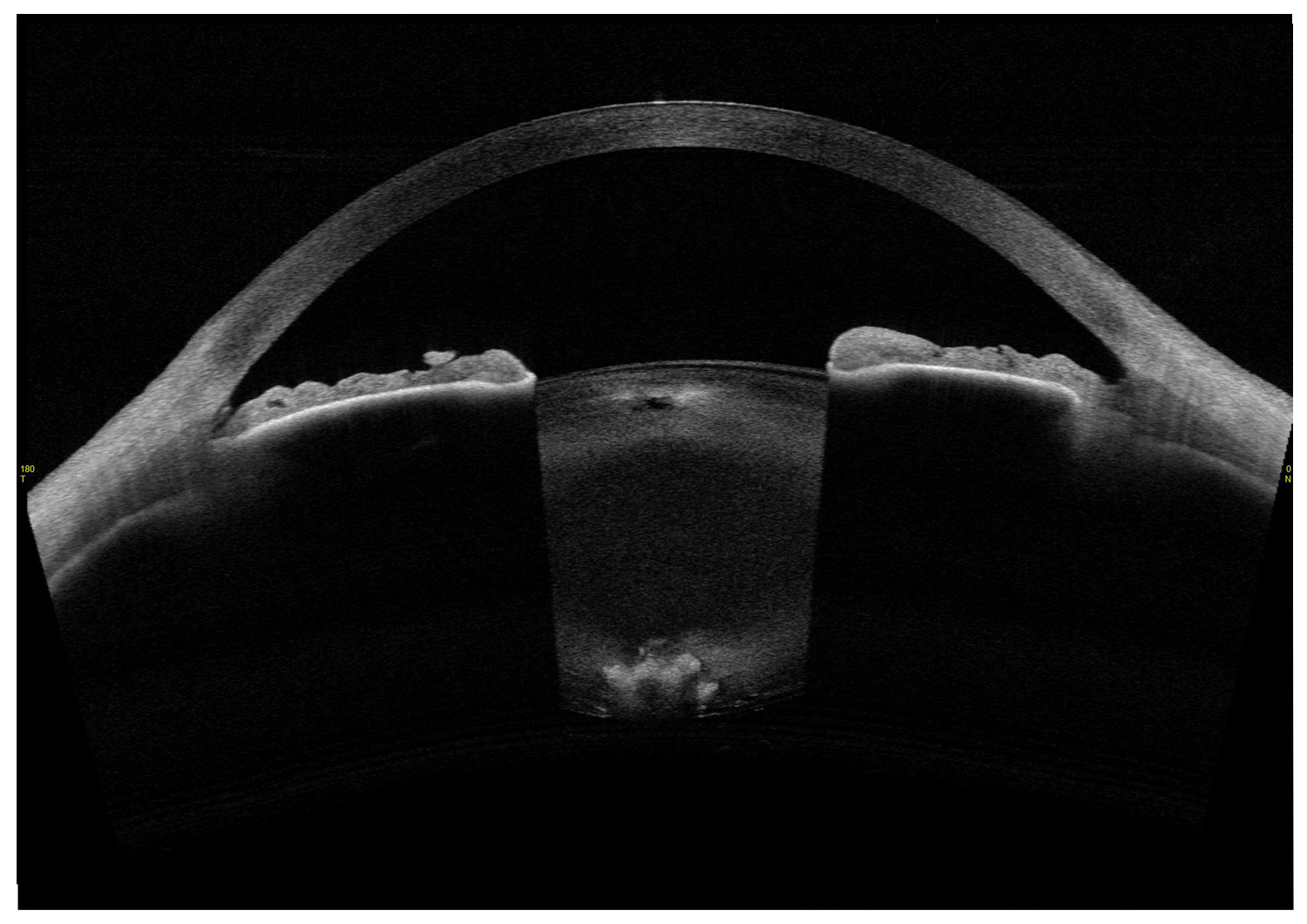
Posterior Polar Cataract – Capsular Involvement
Patient was assessed in the cataract preoperative clinic with bilateral posterior polar cataracts. CASIA2 OCT scan revealed significant capsular involvement.
Read more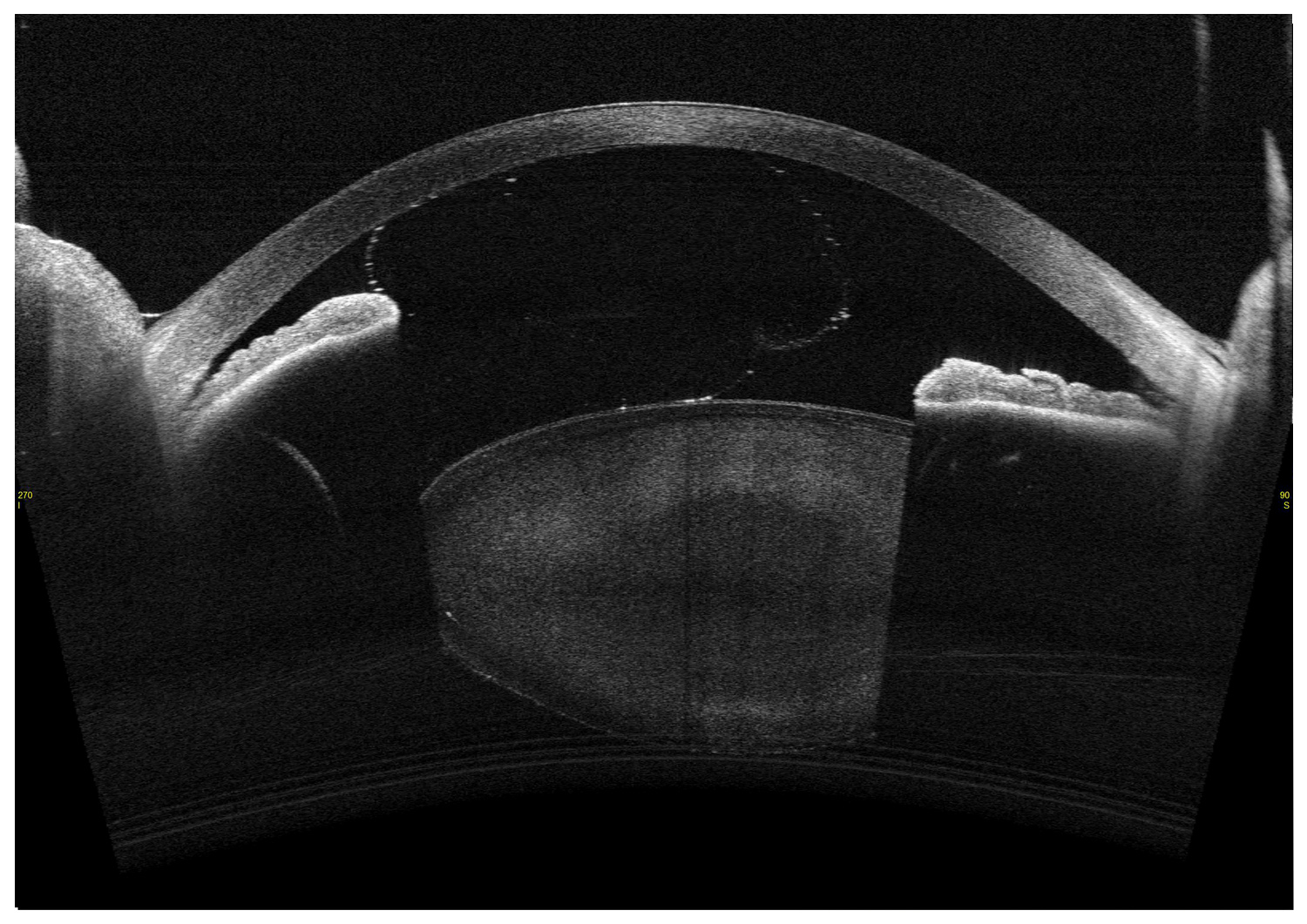
Subluxed Lens and Vitreous Prolapse Following Trauma
The patient had blunt force trauma resulting in traumatic mydriasis, zonular trauma, subluxed lens, and vitreous prolapse into the anterior chamber.
Read more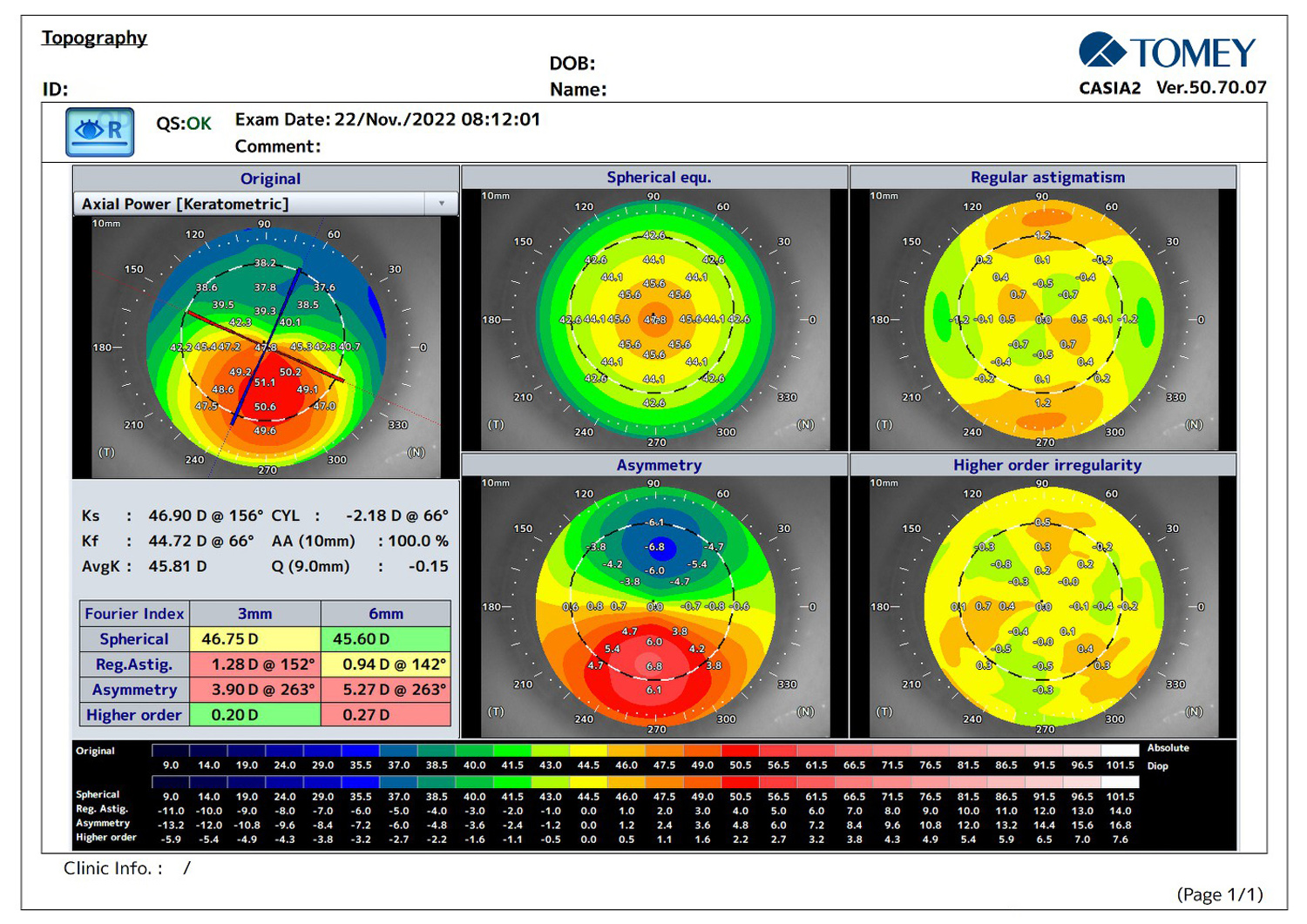
The First Asymmetric Ring AS6-300/150° Implantation in Keratoconus
The asymmetrical ring causes a targeted flattening of the cornea, improves axial asymmetry and thereby achieves good functional and topographical results.
Read more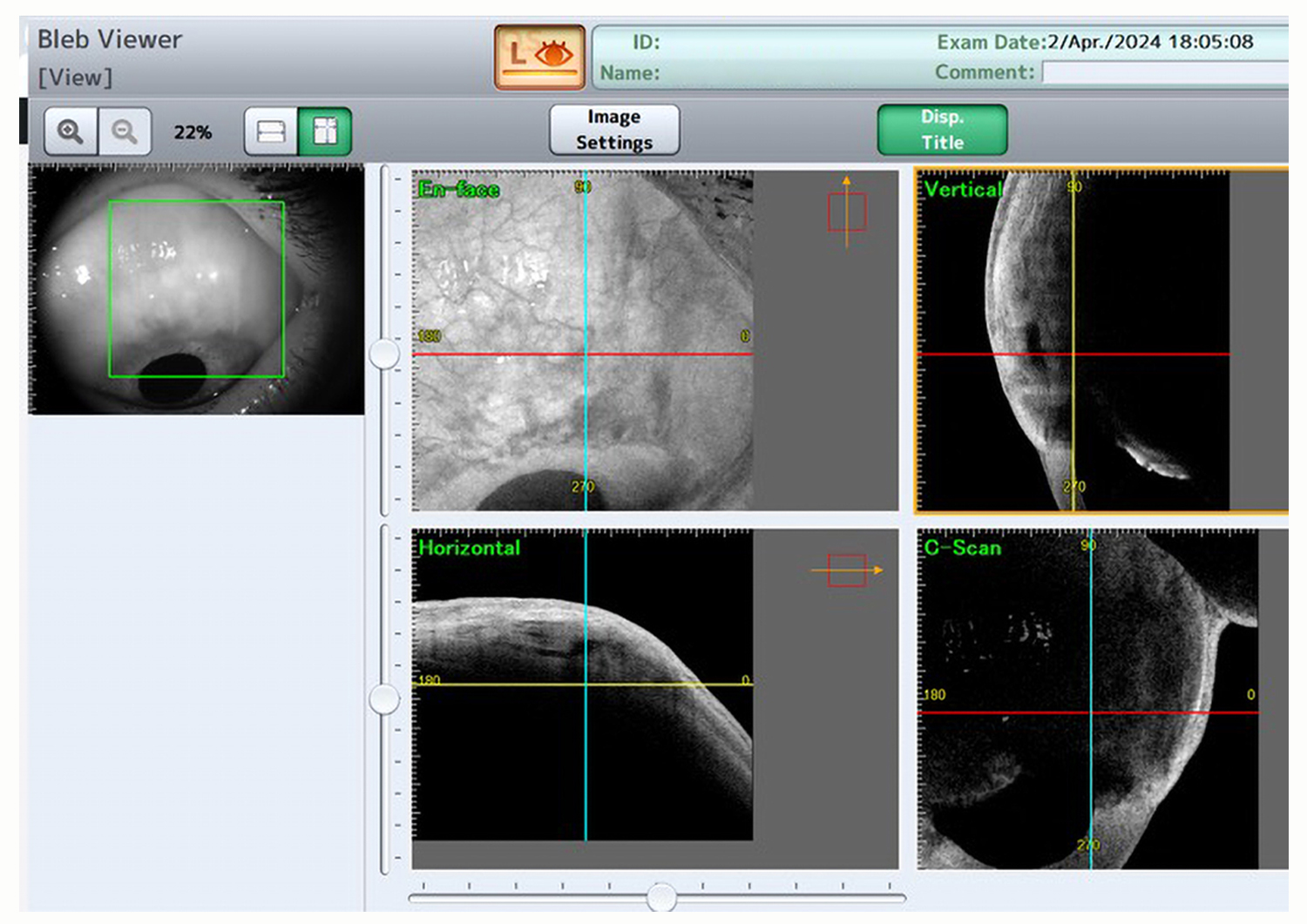
Assessing ESNOPER V2000 Implant Permeability
Glaucoma implants serve to drain the aqueous humor in order to reduce intraocular pressure. These implants must therefore be permeable and effective.
Read more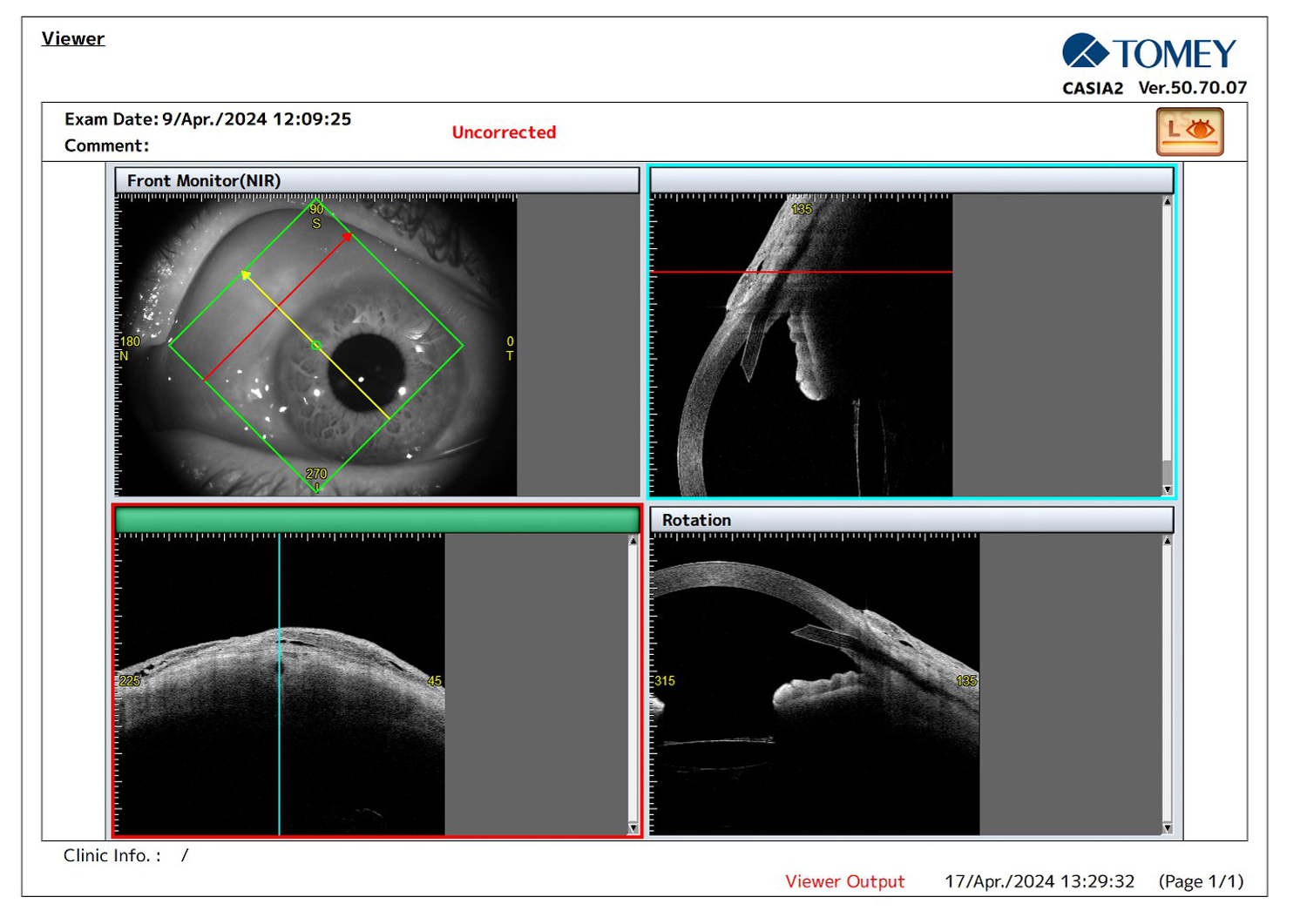
Evaluating Preserflo® Implant Efficiency
In devices used for the treatment of glaucoma, such as the Preserflo© implant, it is important to verify its position, depth, and effectiveness in reducing intraocular pressure through filtration.
Read more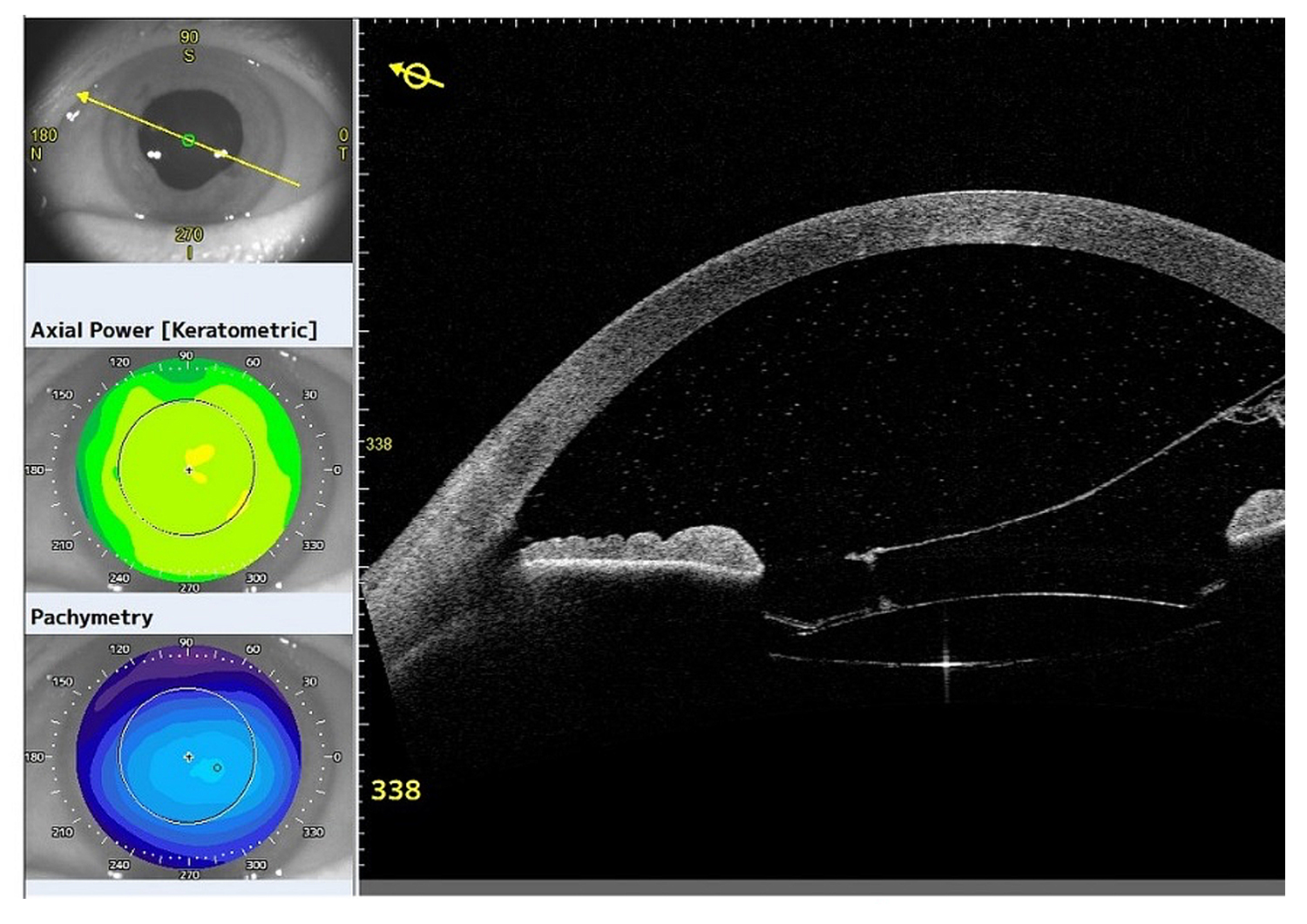
Prolonged Toxic Anterior Segment Syndrome
A 74-year-old woman developed acute visual deterioration 10 days after uncomplicated cataract surgery. Slit-lamp examination revealed severe anterior chamber inflammation and a fibrin membrane obscuring the fundus and implanted IOL.
Read more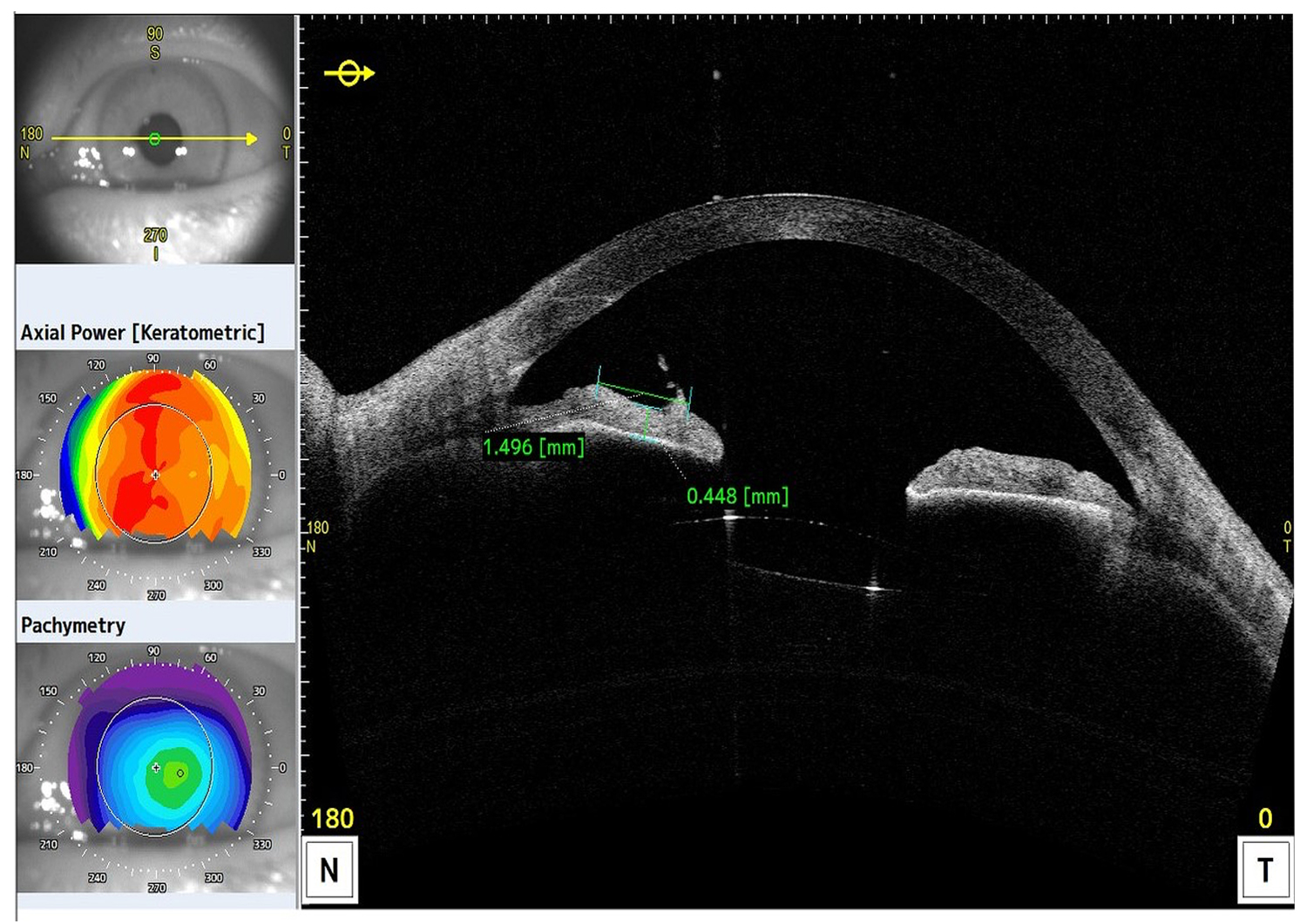
Iris Incarceration Following Difficult Cataract Surgery
A 65-year-old female presented for a routine visit to our clinic three weeks after cataract surgery. During the slit-lamp examination, an iris incarceration was observed at the paracenteses at the 10 o’clock position.
Read more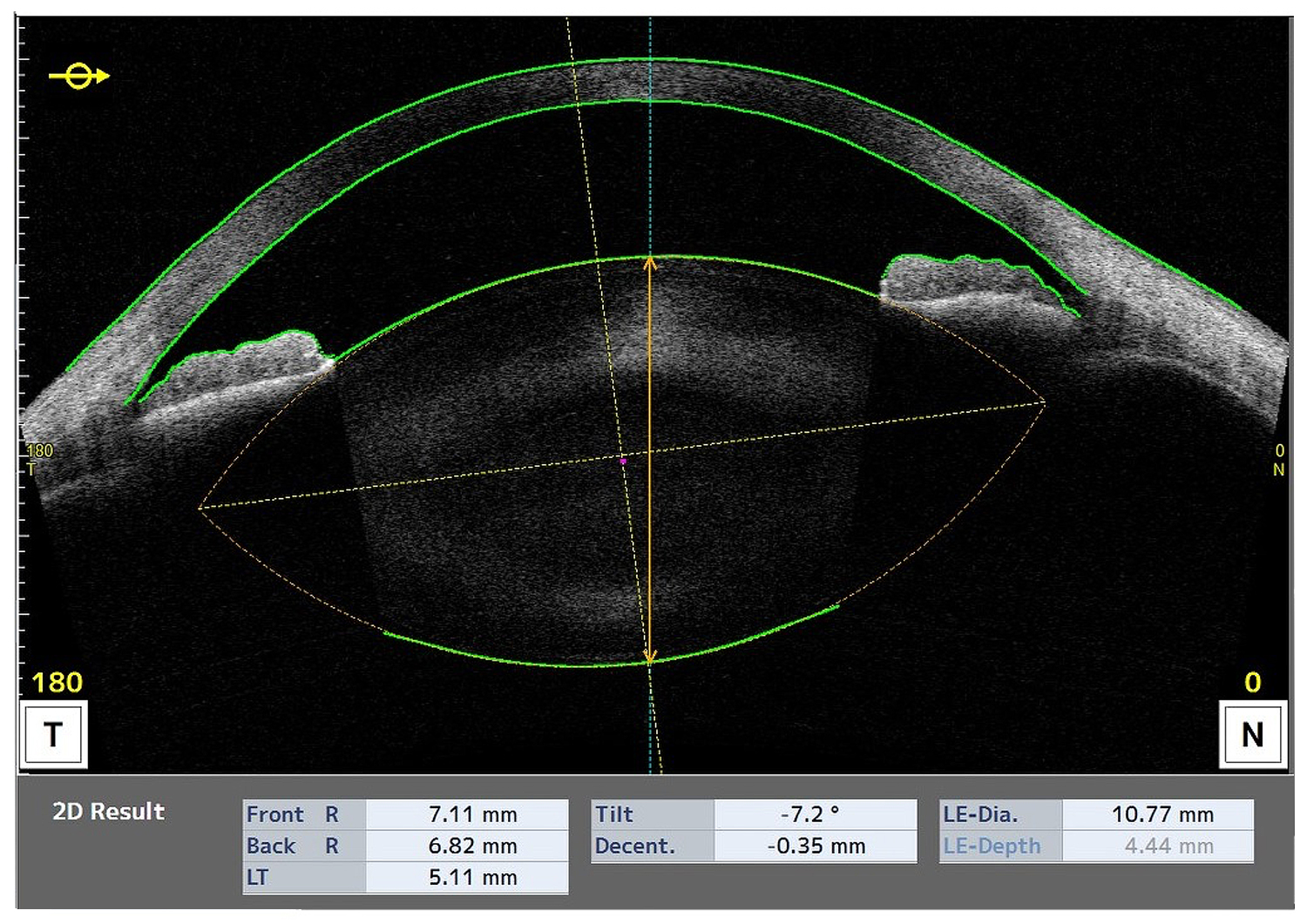
Re-rotation of a Toric IOL
A 65-year-old female patient underwent uncomplicated cataract surgery and received a toric intraocular lens to correct her pre-existing corneal astigmatism. At the follow-up examination one week after surgery, the patient had a residual astigmatism of -3.50 D.
Read moreFurther Questions?
Do you have any questions or require further information?
We would be pleased if you send us an inquiry.